
• The Mobile Virtualization Market faces several challenges that can impact its adoption across various industries. One of the primary barriers is the complexity of deployment. Implementing virtualization solutions on mobile devices requires technical expertise and careful planning to ensure compatibility with different operating systems and hardware configurations. Many organizations, especially small and medium enterprises, struggle with the technical intricacies and resource requirements involved.

    Security concerns, while a key driver for adoption, can also present challenges. Although mobile virtualization enhances data protection, any misconfiguration or vulnerability within the virtualized environment can lead to security breaches. Enterprises need continuous monitoring and frequent updates to maintain secure operations, which can increase operational overhead and costs.

    Performance issues are another obstacle. Running multiple virtual environments on a single device consumes processing power, memory, and battery resources. Older or low-end mobile devices may not support efficient virtualization, limiting adoption in markets with widespread use of budget devices. Users may experience lag or reduced device performance, impacting overall productivity and satisfaction.

    Cost is also a critical challenge for many organizations. While mobile virtualization can reduce long-term IT costs, initial deployment, licensing, and maintenance expenses can be significant. Organizations need to weigh the investment against potential benefits, and some may delay or avoid adoption due to budget constraints.

    Integration with existing IT infrastructure can be problematic. Many enterprises have diverse IT environments with different mobile operating systems, applications, and security protocols. Ensuring seamless compatibility between virtualized environments and existing enterprise systems requires careful planning and testing. Failure to integrate effectively can result in data silos, reduced operational efficiency, and increased complexity for IT teams.

    User acceptance is another challenge. Employees accustomed to traditional device usage may resist adopting virtualized environments. Training programs and user education are essential to encourage smooth adoption and proper usage of mobile virtualization solutions. Without effective change management, the benefits of virtualization may not be fully realized.

    Furthermore, regulatory and compliance issues vary across regions and industries. Enterprises operating in multiple jurisdictions need to ensure that mobile virtualization solutions comply with local data privacy laws, which can add complexity to deployment and management. Non-compliance risks can discourage some organizations from implementing these technologies.@https://www.marketresearchfuture.com/reports/mobile-virtualization-market-4907
    The Mobile Virtualization Market faces several challenges that can impact its adoption across various industries. One of the primary barriers is the complexity of deployment. Implementing virtualization solutions on mobile devices requires technical expertise and careful planning to ensure compatibility with different operating systems and hardware configurations. Many organizations, especially small and medium enterprises, struggle with the technical intricacies and resource requirements involved. Security concerns, while a key driver for adoption, can also present challenges. Although mobile virtualization enhances data protection, any misconfiguration or vulnerability within the virtualized environment can lead to security breaches. Enterprises need continuous monitoring and frequent updates to maintain secure operations, which can increase operational overhead and costs. Performance issues are another obstacle. Running multiple virtual environments on a single device consumes processing power, memory, and battery resources. Older or low-end mobile devices may not support efficient virtualization, limiting adoption in markets with widespread use of budget devices. Users may experience lag or reduced device performance, impacting overall productivity and satisfaction. Cost is also a critical challenge for many organizations. While mobile virtualization can reduce long-term IT costs, initial deployment, licensing, and maintenance expenses can be significant. Organizations need to weigh the investment against potential benefits, and some may delay or avoid adoption due to budget constraints. Integration with existing IT infrastructure can be problematic. Many enterprises have diverse IT environments with different mobile operating systems, applications, and security protocols. Ensuring seamless compatibility between virtualized environments and existing enterprise systems requires careful planning and testing. Failure to integrate effectively can result in data silos, reduced operational efficiency, and increased complexity for IT teams. User acceptance is another challenge. Employees accustomed to traditional device usage may resist adopting virtualized environments. Training programs and user education are essential to encourage smooth adoption and proper usage of mobile virtualization solutions. Without effective change management, the benefits of virtualization may not be fully realized. Furthermore, regulatory and compliance issues vary across regions and industries. Enterprises operating in multiple jurisdictions need to ensure that mobile virtualization solutions comply with local data privacy laws, which can add complexity to deployment and management. Non-compliance risks can discourage some organizations from implementing these technologies.@https://www.marketresearchfuture.com/reports/mobile-virtualization-market-4907
    WWW.MARKETRESEARCHFUTURE.COM
    Mobile Virtualization Market Size, Growth Analysis | 2035
    Mobile Virtualization Market is likely to Reach $ 47.21B by 2035, Growing at a CAGR of 18.4% During 2025 - 2035 | Driven By Increasing Cybersecurity Demands
    0 komentářů 0 Sdílení
  • Crowdsourced Security: Leveraging Global Talent to Strengthen Cyber Defense

    Crowdsourced security is an innovative approach to cybersecurity that relies on a distributed community of ethical hackers, security researchers, and developers to identify vulnerabilities in digital systems. Instead of depending solely on in-house security teams, organizations open their applications, networks, or platforms to external experts who can test defenses from diverse perspectives. This model mirrors real-world attack scenarios more accurately, as threats today originate from various geographies, skill levels, and methodologies. By tapping into collective intelligence, crowdsourced security enhances detection capabilities and improves overall security posture.

    Source - https://www.marketresearchfuture.com/reports/crowdsourced-security-market-28788

    At the core of crowdsourced security are programs such as bug bounties, vulnerability disclosure initiatives, and managed crowdsourced testing platforms. In these models, independent researchers are incentivized—often financially or through recognition—to responsibly report security flaws. This creates a continuous testing environment where systems are examined around the clock. Unlike periodic penetration testing, crowdsourced security provides ongoing assessment, allowing organizations to respond faster to newly discovered weaknesses and reduce the window of exposure to potential attacks.

    One of the major advantages of crowdsourced security is scalability. Traditional security teams are limited by headcount, budget, and time, whereas crowdsourced models can instantly scale to hundreds or thousands of skilled testers. This diversity brings varied expertise across web security, mobile apps, APIs, cloud infrastructure, and emerging technologies. As a result, organizations benefit from deeper and broader coverage without the long-term costs associated with expanding internal teams.

    Crowdsourced security also promotes cost efficiency and measurable outcomes. Organizations typically pay only for valid, confirmed vulnerabilities, ensuring a direct return on investment. This performance-based model aligns incentives between businesses and researchers, focusing efforts on real-world impact rather than theoretical risks. Additionally, detailed vulnerability reports often include proof-of-concept and remediation guidance, helping internal teams prioritize and resolve issues effectively.

    Despite its benefits, crowdsourced security requires careful governance. Clear scope definition, legal frameworks, and responsible disclosure policies are essential to prevent misuse and protect sensitive data. Organizations must also invest in triage processes to validate submissions and avoid being overwhelmed by low-quality reports. When managed properly, these challenges can be mitigated, allowing crowdsourced security to complement traditional security operations rather than replace them.

    As cyber threats continue to evolve in complexity and scale, crowdsourced security is becoming a strategic component of modern cybersecurity programs. It aligns well with agile development, DevSecOps practices, and continuous risk management. By embracing the power of the global security community, organizations can move from reactive defense to proactive resilience. Crowdsourced security ultimately represents a shift toward collaborative protection, where shared knowledge and collective vigilance help build safer digital ecosystems.
    Crowdsourced Security: Leveraging Global Talent to Strengthen Cyber Defense Crowdsourced security is an innovative approach to cybersecurity that relies on a distributed community of ethical hackers, security researchers, and developers to identify vulnerabilities in digital systems. Instead of depending solely on in-house security teams, organizations open their applications, networks, or platforms to external experts who can test defenses from diverse perspectives. This model mirrors real-world attack scenarios more accurately, as threats today originate from various geographies, skill levels, and methodologies. By tapping into collective intelligence, crowdsourced security enhances detection capabilities and improves overall security posture. Source - https://www.marketresearchfuture.com/reports/crowdsourced-security-market-28788 At the core of crowdsourced security are programs such as bug bounties, vulnerability disclosure initiatives, and managed crowdsourced testing platforms. In these models, independent researchers are incentivized—often financially or through recognition—to responsibly report security flaws. This creates a continuous testing environment where systems are examined around the clock. Unlike periodic penetration testing, crowdsourced security provides ongoing assessment, allowing organizations to respond faster to newly discovered weaknesses and reduce the window of exposure to potential attacks. One of the major advantages of crowdsourced security is scalability. Traditional security teams are limited by headcount, budget, and time, whereas crowdsourced models can instantly scale to hundreds or thousands of skilled testers. This diversity brings varied expertise across web security, mobile apps, APIs, cloud infrastructure, and emerging technologies. As a result, organizations benefit from deeper and broader coverage without the long-term costs associated with expanding internal teams. Crowdsourced security also promotes cost efficiency and measurable outcomes. Organizations typically pay only for valid, confirmed vulnerabilities, ensuring a direct return on investment. This performance-based model aligns incentives between businesses and researchers, focusing efforts on real-world impact rather than theoretical risks. Additionally, detailed vulnerability reports often include proof-of-concept and remediation guidance, helping internal teams prioritize and resolve issues effectively. Despite its benefits, crowdsourced security requires careful governance. Clear scope definition, legal frameworks, and responsible disclosure policies are essential to prevent misuse and protect sensitive data. Organizations must also invest in triage processes to validate submissions and avoid being overwhelmed by low-quality reports. When managed properly, these challenges can be mitigated, allowing crowdsourced security to complement traditional security operations rather than replace them. As cyber threats continue to evolve in complexity and scale, crowdsourced security is becoming a strategic component of modern cybersecurity programs. It aligns well with agile development, DevSecOps practices, and continuous risk management. By embracing the power of the global security community, organizations can move from reactive defense to proactive resilience. Crowdsourced security ultimately represents a shift toward collaborative protection, where shared knowledge and collective vigilance help build safer digital ecosystems.
    WWW.MARKETRESEARCHFUTURE.COM
    Crowdsourced Security Market Size, Growth Drivers 2035
    Crowdsourced Security Market is Expected to Grow a Valuation of $ 48.57B by 2035, Reaching at a CAGR of 17.35% During 2025 - 2035 | Demand For Agile Development
    0 komentářů 0 Sdílení
  • Accelerate Development with Lannett CDMO
    - Streamlined development of oral solid dose formulations
    - Extensive expertise and high-volume manufacturing
    - Commitment to quality and regulatory compliance

    Our track record speaks volumes
    - 17 approved product applications since 2019
    - 96% average product yield rate
    - Zero critical FDA Form 483 observations

    Learn More About Partnering with Lannett.

    https://www.lannettcdmo.com/
    Accelerate Development with Lannett CDMO - Streamlined development of oral solid dose formulations - Extensive expertise and high-volume manufacturing - Commitment to quality and regulatory compliance Our track record speaks volumes - 17 approved product applications since 2019 - 96% average product yield rate - Zero critical FDA Form 483 observations Learn More About Partnering with Lannett. https://www.lannettcdmo.com/
    0 komentářů 0 Sdílení
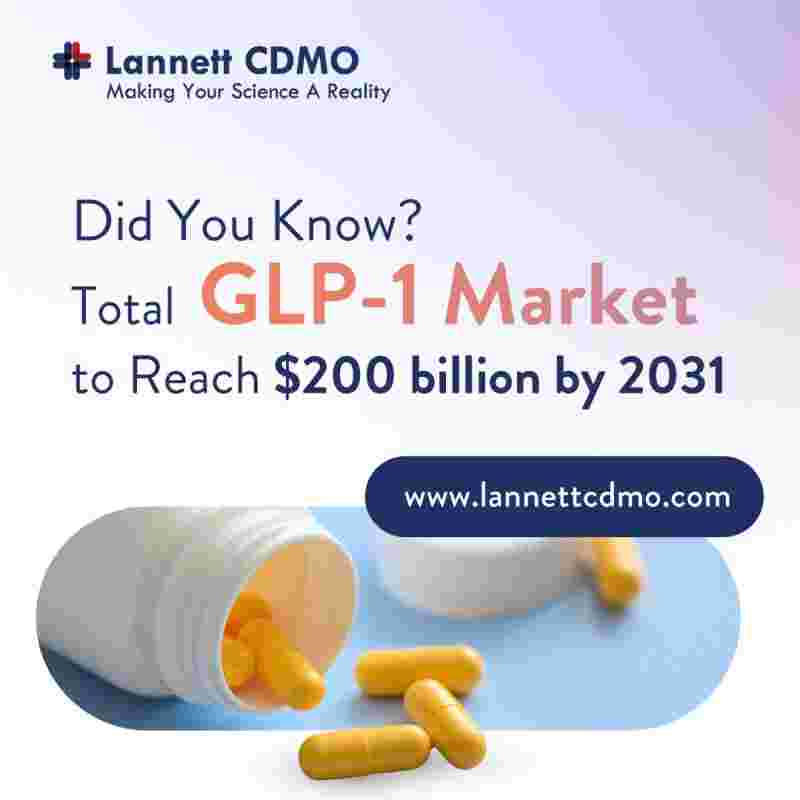
  • Did you know? The total GLP-1 market is projected to reach a potential $200 billion by 2031.

    As such, oral solid dose (OSD) formulations are poised to gain significant traction.

    This shift demands manufacturing partners with proven expertise in:
    💊Specialized potent compound handling
    ⏳ Modified release technology
    🎯 Precise quality control systems
    📈 Continuity of supply
    https://www.lannettcdmo.com/advanced-formulation-analytical-services/
    Did you know? The total GLP-1 market is projected to reach a potential $200 billion by 2031. As such, oral solid dose (OSD) formulations are poised to gain significant traction. This shift demands manufacturing partners with proven expertise in: 💊Specialized potent compound handling ⏳ Modified release technology 🎯 Precise quality control systems 📈 Continuity of supply https://www.lannettcdmo.com/advanced-formulation-analytical-services/
    0 komentářů 0 Sdílení
  • Outsourcing to a CDMO can significantly reduce operational costs and increase efficiency. By partnering with Lannett CDMO, companies can leverage our expertise and infrastructure, allowing them to focus on their core competencies.

    https://pharma-contractor-manufacturer.mystrikingly.com/blog/the-growing-importance-of-pharma-contract-manufacturing-services-88ea68f0-e173-424a-91ed-90f889848b0f

    #PharmaOutsourcing #OperationalEfficiency #CostReduction
    #PharmaceuticalManufacturing#BusinessPartnership #Lannett #LannettCDMO
    Outsourcing to a CDMO can significantly reduce operational costs and increase efficiency. By partnering with Lannett CDMO, companies can leverage our expertise and infrastructure, allowing them to focus on their core competencies. https://pharma-contractor-manufacturer.mystrikingly.com/blog/the-growing-importance-of-pharma-contract-manufacturing-services-88ea68f0-e173-424a-91ed-90f889848b0f #PharmaOutsourcing #OperationalEfficiency #CostReduction #PharmaceuticalManufacturing#BusinessPartnership #Lannett #LannettCDMO
    0 komentářů 0 Sdílení
  • Formulation development is a vital component of the pharmaceutical industry, ensuring that drugs are safe, effective, and accessible to patients. The process requires a multidisciplinary approach, combining expertise in chemistry, biology, engineering, and regulatory science.

    https://www.lannettcdmo.com/advanced-formulation-analytical-services/
    Formulation development is a vital component of the pharmaceutical industry, ensuring that drugs are safe, effective, and accessible to patients. The process requires a multidisciplinary approach, combining expertise in chemistry, biology, engineering, and regulatory science. https://www.lannettcdmo.com/advanced-formulation-analytical-services/
    0 komentářů 0 Sdílení
  • CDMOs often have established quality systems and expertise in navigating the complex and evolving regulatory landscape in the pharmaceutical industry. This expertise is valuable for clients seeking to ensure compliance and a smooth regulatory pathway. If you have questions and needs in this area, give us a call. We're more than ready and willing to help you with regulatory compliance.

    #cdmo #regulatorycompliance #pharmaceutical
    https://www.lannettcdmo.com/regulatory-support/
    CDMOs often have established quality systems and expertise in navigating the complex and evolving regulatory landscape in the pharmaceutical industry. This expertise is valuable for clients seeking to ensure compliance and a smooth regulatory pathway. If you have questions and needs in this area, give us a call. We're more than ready and willing to help you with regulatory compliance. #cdmo #regulatorycompliance #pharmaceutical https://www.lannettcdmo.com/regulatory-support/
    0 komentářů 0 Sdílení
  • Fluid-bed coating is another widely utilized technique in pharmaceutical manufacturing, especially for granules, pellets, and particles. CDMOs specialize in this advanced equipment and expertise to control parameters (e.g. airflow, temperature, and spray rate), ensuring optimal product performance and enhancing patient experience. Drop an email to find out more about this and other manufacturing capabilities we have here at Lannett CDMO.

    https://www.lannettcdmo.com/

    #pharmaceutical #manufacturing #lannettcdmo #cdmo #capabilities
    Fluid-bed coating is another widely utilized technique in pharmaceutical manufacturing, especially for granules, pellets, and particles. CDMOs specialize in this advanced equipment and expertise to control parameters (e.g. airflow, temperature, and spray rate), ensuring optimal product performance and enhancing patient experience. Drop an email to find out more about this and other manufacturing capabilities we have here at Lannett CDMO. https://www.lannettcdmo.com/ #pharmaceutical #manufacturing #lannettcdmo #cdmo #capabilities
    0 komentářů 0 Sdílení
  • CDMOs often have established quality systems and expertise in navigating the complex and evolving regulatory landscape in the pharmaceutical industry. This expertise is valuable for clients seeking to ensure compliance and a smooth regulatory pathway. If you have questions and needs in this area, give us a call. We're more than ready and willing to help you with regulatory compliance.

    https://www.lannettcdmo.com/regulatory-support/


    #cdmo #regulatorycompliance #pharmaceutical
    CDMOs often have established quality systems and expertise in navigating the complex and evolving regulatory landscape in the pharmaceutical industry. This expertise is valuable for clients seeking to ensure compliance and a smooth regulatory pathway. If you have questions and needs in this area, give us a call. We're more than ready and willing to help you with regulatory compliance. https://www.lannettcdmo.com/regulatory-support/ #cdmo #regulatorycompliance #pharmaceutical
    0 komentářů 0 Sdílení
  • Understanding Private Label OTC Manufacturers

    Private label OTC manufacturers are entities that produce healthcare products, ranging from vitamins and supplements to pain relievers and skincare solutions, under the branding of other companies. These companies, often retailers or distributors, partner with private label manufacturers to develop products tailored to their specifications.

    The Significance of Private Label OTC Manufacturers

    Flexibility and Customization: Private label OTC manufacturers offer unparalleled flexibility and customization options. They work closely with their clients to develop products that meet specific needs, whether it's formulating a new supplement or adjusting existing formulations.

    Cost-Effectiveness: For retailers and distributors, partnering with private label manufacturers can be a cost-effective alternative to developing products in-house. By leveraging the expertise and infrastructure of these manufacturers, companies can bring high-quality products to market at competitive prices.

    Speed to Market: Private label OTC manufacturers are adept at streamlining the product development process, allowing their clients to bring products to market quickly and efficiently. This agility is crucial in an industry where timing can make all the difference.

    Quality Assurance: Despite operating behind the scenes, private label OTC manufacturers adhere to stringent quality standards to ensure the safety and efficacy of their products. Many manufacturers hold certifications such as Good Manufacturing Practices (GMP) to demonstrate their commitment to quality.

    Understanding Private Label OTC Manufacturers Private label OTC manufacturers are entities that produce healthcare products, ranging from vitamins and supplements to pain relievers and skincare solutions, under the branding of other companies. These companies, often retailers or distributors, partner with private label manufacturers to develop products tailored to their specifications. The Significance of Private Label OTC Manufacturers Flexibility and Customization: Private label OTC manufacturers offer unparalleled flexibility and customization options. They work closely with their clients to develop products that meet specific needs, whether it's formulating a new supplement or adjusting existing formulations. Cost-Effectiveness: For retailers and distributors, partnering with private label manufacturers can be a cost-effective alternative to developing products in-house. By leveraging the expertise and infrastructure of these manufacturers, companies can bring high-quality products to market at competitive prices. Speed to Market: Private label OTC manufacturers are adept at streamlining the product development process, allowing their clients to bring products to market quickly and efficiently. This agility is crucial in an industry where timing can make all the difference. Quality Assurance: Despite operating behind the scenes, private label OTC manufacturers adhere to stringent quality standards to ensure the safety and efficacy of their products. Many manufacturers hold certifications such as Good Manufacturing Practices (GMP) to demonstrate their commitment to quality.
    TO-PORTAL.COM
    Unveiling the Power of Private Label OTC Manufacturers: Crafting Health Solutions with Precision
    In this blog post, we delve into the world of private label OTC manufacturers, uncovering their significance, operations, and the impact they have on the healthcare industry.
    0 komentářů 0 Sdílení

Žádné výsledky

Žádné výsledky

Žádné výsledky

Žádné výsledky

Žádné výsledky